
Netherlands builds 70
000 homes in 2025, Government target misses by 30,000 despite strong Q4, Planning-permission pipeline barely grows as scarcity becomes policy
Images
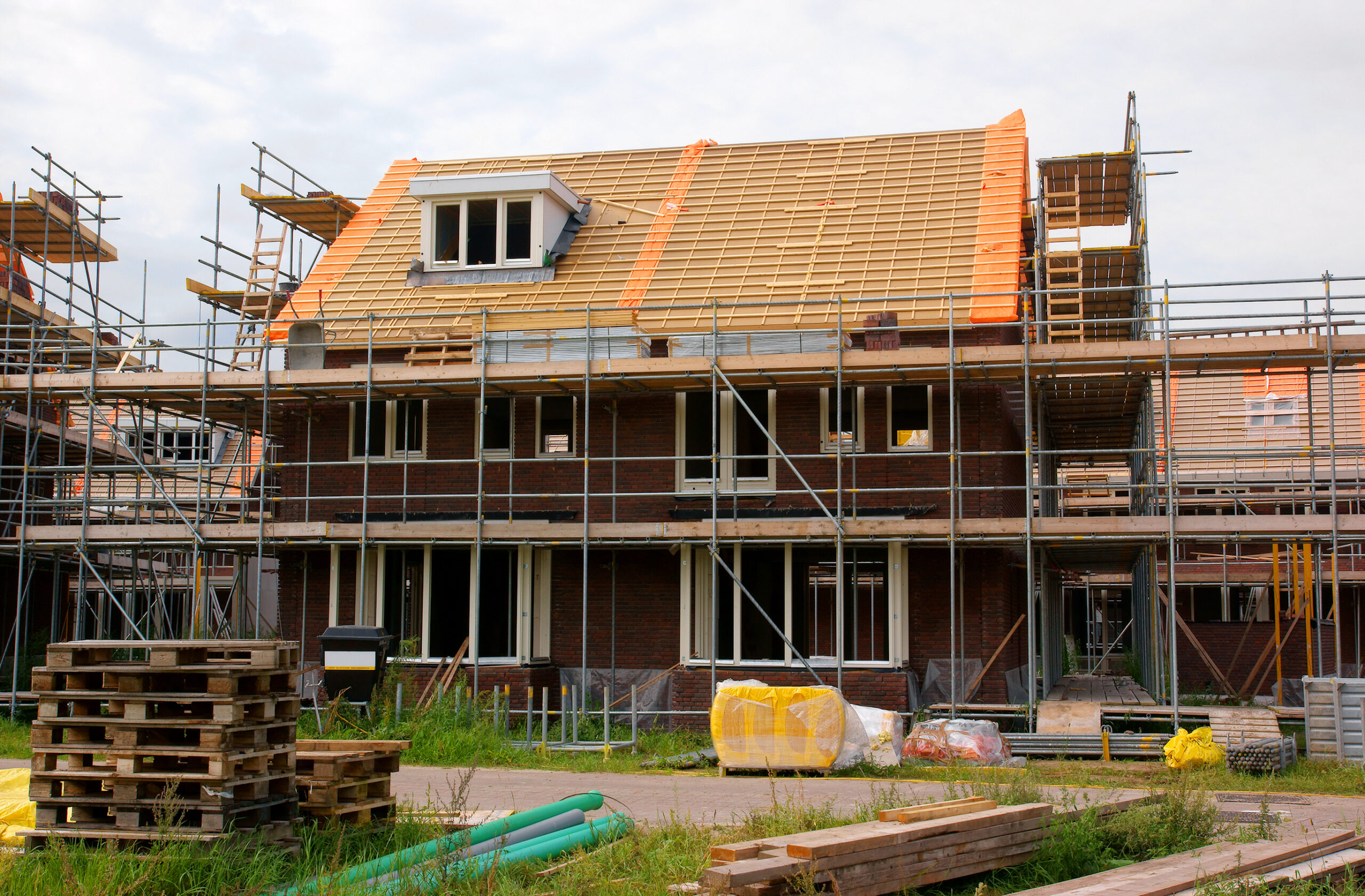 Photo: Depositphotos.com
Depositphotos.com
Photo: Depositphotos.com
Depositphotos.com
The Netherlands managed a busy end to 2025 in housebuilding—then still missed its own target by a country mile.
DutchNews.nl reports that 22,800 homes were built in Q4 2025, the busiest three-month period in six years. But the annual total reached only 70,000, far below the government’s stated target of 100,000 new homes per year. Meanwhile, the estimated housing shortage stands at 396,000.
The most revealing datapoint is not the Q4 sprint but the pipeline stall. DutchNews notes that the stock of homes with planning permission but not yet built grew by just 1%. That implies the system is not “catching up”; it is flatlining at the stage where politics, permitting, and administrative sequencing dominate.
The Netherlands is not short on builders so much as short on permission slips. Even in a country famed for administrative competence, housing has become an exercise in regulatory choreography—zoning decisions, environmental constraints, procedural appeals, and infrastructure coordination—where the binding constraint is the state’s willingness to say yes.
The numbers also undercut the convenient story that the private sector is simply refusing to build. DutchNews reports construction-firm profits rose 5.9% (more than double 2024’s 2.4%), while construction costs were down 19% year-on-year. If inputs are cheaper and margins are improving, the market signal is not “don’t build”; it is “build—if you can get through the gate.”
Conversions help at the margin but do not change the structural shortage. DutchNews says 4,700 homes were created from existing buildings through conversions or subdivision, but 4,500 were demolished, merged or repurposed—leaving a net increase of just 23,100 homes.
Scarcity is not merely a social problem; it is also a political asset. When housing is scarce, incumbents who already own property enjoy capital gains, while those who control land-use decisions gain leverage over developers, investors, and would-be residents. A slow pipeline is not an accident in such a system; it is a feature that converts administrative discretion into economic rent.
Europe’s housing crisis is often described as a market failure. The Dutch figures suggest something closer to a governance failure: when the state monopolises the right to build, “targets” become press releases and scarcity becomes policy—just without the honesty of calling it a rationing regime.