
Haiti’s TPS faces court test as 300
000 risk losing status, Florida renews driver licenses anyway, Temporary becomes a bureaucratic caste system
Images
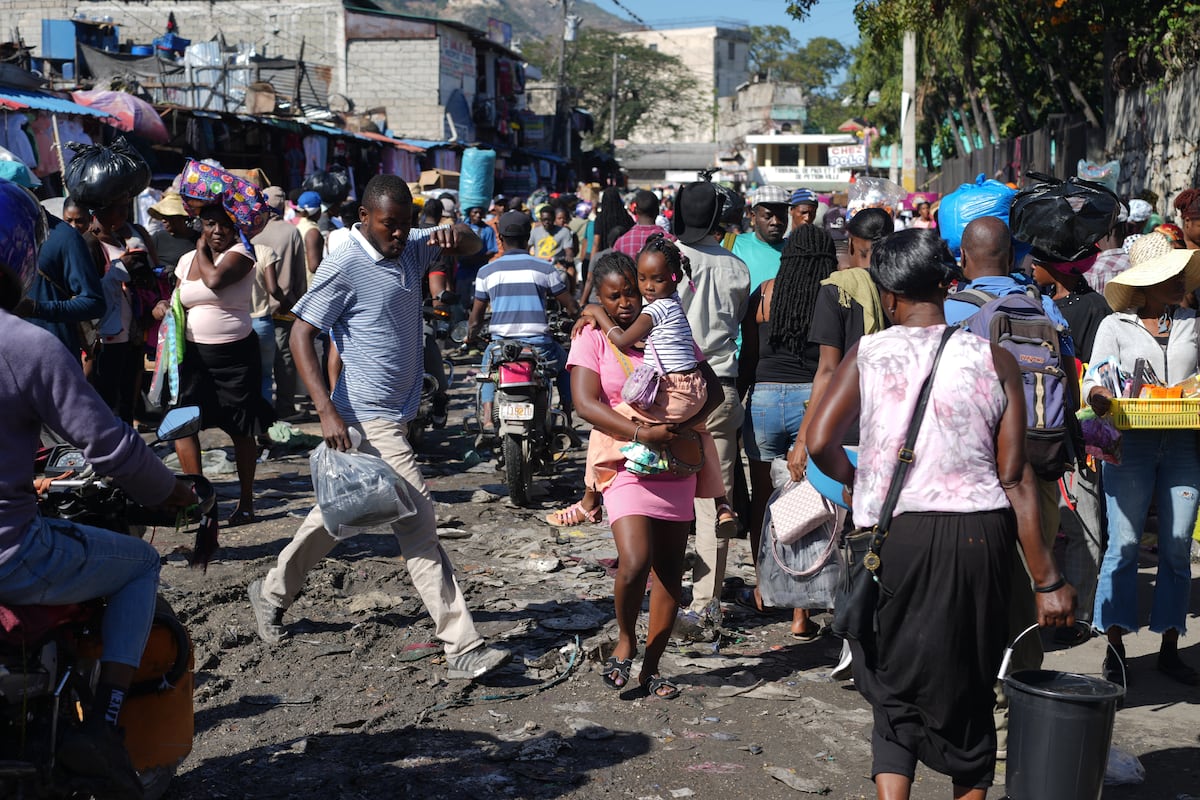 Haiti braces for the possible end of TPS for more than 300,000 citizens in the United States
english.elpais.com
Haiti braces for the possible end of TPS for more than 300,000 citizens in the United States
english.elpais.com
Haiti braces for the possible end of TPS for more than 300,000 citizens in the United States
english.elpais.com
Haiti braces for the possible end of TPS for more than 300,000 citizens in the United States
english.elpais.com
More than 300,000 Haitians living in the United States under Temporary Protected Status (TPS) may soon discover how literal the word “temporary” can be—after building entire lives on it.
El País reports that a federal appeals court will decide whether Haiti’s TPS can be terminated after the Trump administration moved to end the designation, arguing Haiti no longer meets the statutory conditions for protection. Haiti’s TPS has existed since the 2010 earthquake. It was scheduled to end on February 3, but a district judge blocked the termination on February 2. The administration appealed, and the case could ultimately reach the Supreme Court.
The stakes are large because Trump has ended TPS designations for nearly every covered country over the past year, El País writes, potentially creating more than 1.5 million new undocumented immigrants—by administrative fiat.
On the ground in Haiti, the humanitarian picture is bleak. El País quotes the International Rescue Committee’s Haiti director describing overlapping crises of violence, displacement, and hunger, with basic services limited and communities subject to gang predation. The same report notes that Haitians deported from the Dominican Republic—nearly 270,000 in 2025—often arrive in the north because Port-au-Prince’s airport is unreliable, then must traverse extortion checkpoints to reach the capital region.
Meanwhile, states are building practical “shadow integration” around federal statuses that can be extinguished overnight. The Miami Herald reports Florida has given Haitian TPS holders the green light to renew driver licenses—an administrative recognition that residents need to commute, work, and exist, regardless of what Washington decides next.
TPS is marketed as a humanitarian stopgap. It has become a parallel immigration system: work authorization, taxpaying, and community roots—without durable legal certainty. That arrangement is politically convenient because it lets Washington avoid legislating while still importing labor and collecting payroll taxes.
But it is also a governance trap. When a status lasts 15+ years, people rationally treat it as quasi-permanent. Employers, landlords, and state agencies build routines around it. Then a federal administration can flip the switch and convert lawful residents into deportable “illegals” in one legal memo, producing the very undocumented population that enforcement politics claims to oppose.
If the appeals court ends Haiti’s TPS, the U.S. will not just be deporting people into a collapsed security environment; it will be demonstrating that “temporary” humanitarian programs are best understood as a revocable permit.
Sources: El País, Miami Herald.