
Kyiv Zoo keeps gorilla
Reptiles alive through blackouts and strikes, wood stoves and generators replace grid power, resilience comes from improvisation not central plans
Images
 Kyiv zoo resorts to wood-burning stoves to keep animals warm amid energy blackout – video
theguardian.com
Kyiv zoo resorts to wood-burning stoves to keep animals warm amid energy blackout – video
theguardian.com
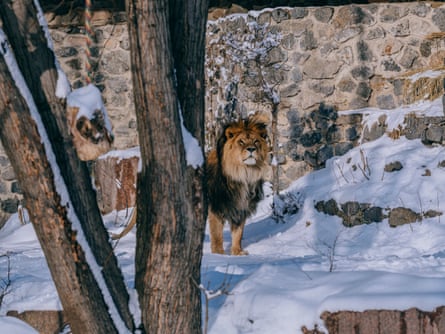 The lion enclosure
theguardian.com
The lion enclosure
theguardian.com
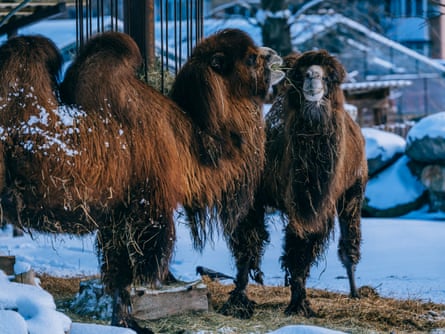 Bactrian camels seem unbothered by the cold
theguardian.com
Bactrian camels seem unbothered by the cold
theguardian.com
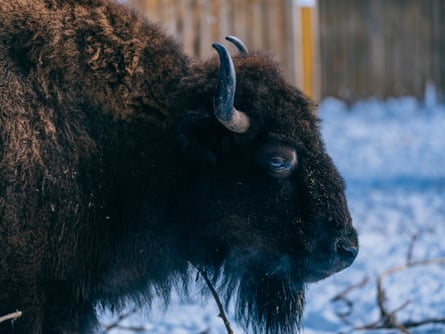 European bisons in the snow
theguardian.com
European bisons in the snow
theguardian.com
 ‘War and a zoo are not compatible at all,’ says Kyrylo Trantin, the zoo’s director
theguardian.com
‘War and a zoo are not compatible at all,’ says Kyrylo Trantin, the zoo’s director
theguardian.com
Kyiv Zoo is running what amounts to an unplanned, real-time stress test of critical infrastructure—except the “load” includes Ukraine’s only gorilla.
According to The Guardian, the zoo is receiving just three to four hours of regular electricity per day after Russian strikes battered Ukraine’s energy system. With temperatures dropping to -22C during a long winter, keeping tropical and reptile species alive has turned into a logistics problem: heat budgets, fuel supply, staffing rotas, and failure modes under intermittent power.
The zoo’s star resident, Toni, a 52-year-old gorilla, needs stable warmth comparable to central Africa. Staff have kept his enclosure at roughly 17C using generators and a wood-burning convection stove (a barrel-shaped “Bullerjan” heater) that blows warm air into the building. The fuel is not a procurement contract; it’s logs gathered from the zoo’s 40-hectare grounds, fed into stoves even during midnight shifts. Additional stoves are used for monkeys and exotic birds.
This is resilience engineering in its natural habitat: redundancy, local energy sources, and human improvisation. Some animals—bison, yaks, camels—can remain outdoors, but for reptiles and amphibians the margin is thin. The zoo’s director, Kyrylo Trantin, told The Guardian he studied how zoos in wartime Berlin and Leningrad tried to survive the Second World War, when many animals died. Today’s Kyiv version includes donated feed from European zoos (40 tonnes, per the report), online ticket purchases by supporters, and incremental efficiency upgrades.
Notably, the zoo has installed solar panels and a new ventilation system for flamingos designed to reduce diesel consumption compared with conventional generator-driven setups.
Then there is the other kind of “blackout”: shrapnel. The zoo sits near Lukyanivka, a heavily targeted district. The Guardian reports that a recent blast shattered terrarium panels near Toni’s quarters, injuring a crocodile and turtle and breaking a muntjac deer’s jaw. Damaged areas were patched with plywood—another reminder that formal standards and glossy safety manuals are luxuries when the state of nature returns.
Kyiv Zoo is demonstrating what “resilience” looks like: decentralized workarounds, small-scale energy, and staff willing to do the unglamorous midnight labor. It’s also a grim proxy for what this war does to infrastructure: centralized systems can fail catastrophically; improvisation is what keeps living systems alive.