
Iran jails British tourists Lindsay and Craig Foreman for 10 years on espionage charges
Hostage-justice pipeline resurfaces as sanctions-and-strikes season intensifies, travel advisories serve as diplomatic fig leaf
Images
 Lindsay and Craig Foreman, from East Sussex, are being held in Tehran’s Evin prison after being arrested in January 2025. Photograph: Family handout/PA
theguardian.com
Lindsay and Craig Foreman, from East Sussex, are being held in Tehran’s Evin prison after being arrested in January 2025. Photograph: Family handout/PA
theguardian.com
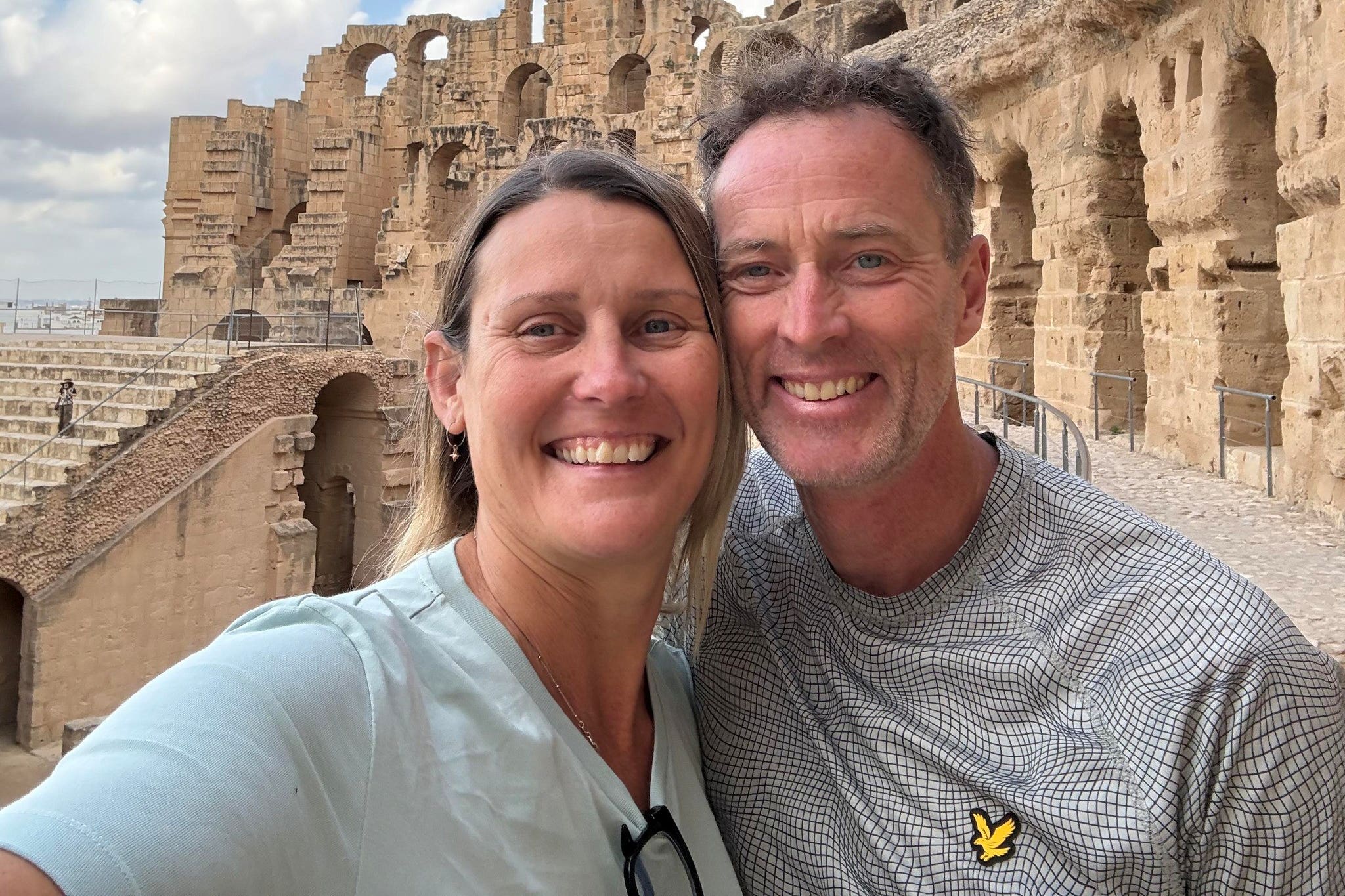 British couple Lindsay and Craig Foreman, of East Sussex, have been sentenced to 10 years in prison (Family handout)
Family handout
British couple Lindsay and Craig Foreman, of East Sussex, have been sentenced to 10 years in prison (Family handout)
Family handout
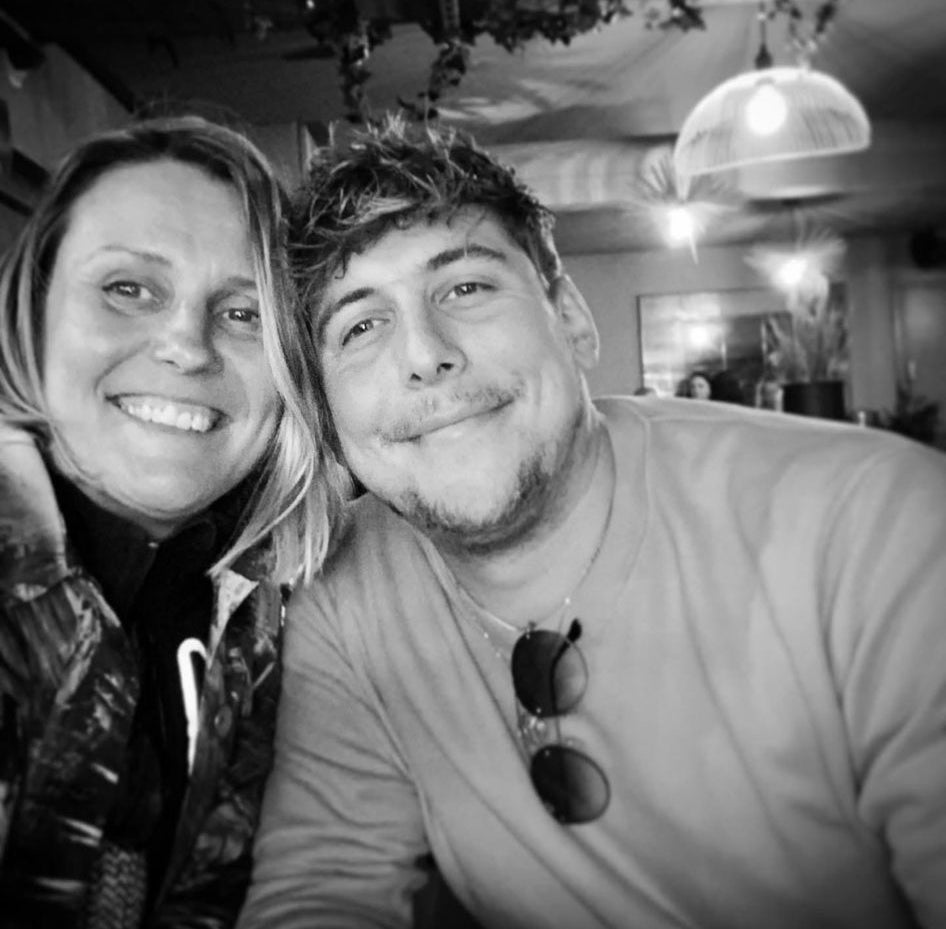 Joe Bennett (R) has been campaigning for the release of his parents (Joe Bennett)
Joe Bennett
Joe Bennett (R) has been campaigning for the release of his parents (Joe Bennett)
Joe Bennett
.jpeg) Mr Bennett previously told of vermin-infested kitchens and long periods of solitary confinement at the Evin Prison where his parents are being held (Ehsan Iran)
Ehsan Iran
Mr Bennett previously told of vermin-infested kitchens and long periods of solitary confinement at the Evin Prison where his parents are being held (Ehsan Iran)
Ehsan Iran
 standard.co.uk
Iran has sentenced a British couple, Lindsay and Craig Foreman, to 10 years in prison on espionage charges—an outcome that reads less like a judicial decision than like a pricing signal in a sanctions-and-strikes market.
According to The Guardian, the pair were arrested in January 2025 while crossing Iran on an around-the-world motorcycle trip and have been held in Tehran’s Evin prison. Foreign Secretary Yvette Cooper called the sentence “totally unjustifiable” and said the UK would pursue the case until they are returned. The Evening Standard reports the couple deny the accusations, and that family members say no evidence was disclosed and they were not permitted to present a defence.
The most revealing part of the story is not the charge sheet—“espionage” is the all-purpose solvent of authoritarian legal systems—but the incentives. Iran’s hostage cases tend to spike precisely when Tehran wants leverage: when sanctions tighten, when regional tensions rise, or when Washington starts floating airstrike timelines. Tourists become collateral when the state anticipates bargaining. France24 notes the UK’s condemnation of the “appalling” sentence, but condemnation is the easy currency; it rarely changes the exchange rate.
The Foremans’ own statements underscore the asymmetry. The Standard recounts Lindsay Foreman describing letters and hunger strikes as the only tools available, and emphasizing she tried to argue within Iran’s own constitutional framework rather than appeal to international law—an almost touching faith in the internal logic of a system designed to be discretionary.
For Western governments, the ritual response is a travel advisory—an after-the-fact disclaimer that simultaneously admits the risk and absolves the state of responsibility. But advisories are also a fig leaf: they do not change the fact that citizens abroad are routinely treated as leverage in state-to-state disputes, and that governments quietly negotiate anyway, often through intermediaries, often with concessions that are never fully disclosed.
The deeper problem is institutional: when states normalize hostage diplomacy, they create a perverse market. The detaining government learns that foreigners are a monetizable asset. The home government learns that public pressure is costly and secrecy is convenient. And everyone involved learns that “rule of law” is an optional narrative layer, not a binding constraint.
In Iran’s case, Evin prison remains the physical interface for this system: a place where legal opacity is not a bug but the operating model. The Foremans’ 10-year sentence is therefore not a terminal verdict so much as an opening bid—issued at a moment when the region is again flirting with war.