
US signals imminent Iran strike
Tehran hardens sites with concrete shielding, escalation economics run ahead of Congress
Images
 Iran builds concrete shield at military site amid acute US tensions
aljazeera.com
Iran builds concrete shield at military site amid acute US tensions
aljazeera.com
 Trump has discussed timeline for Iran strikes, including as soon as this weekend, but no decision yet
cbsnews.com
Trump has discussed timeline for Iran strikes, including as soon as this weekend, but no decision yet
cbsnews.com
 US military is preparing for a possible attack on Iran, although Trump has not yet made a decision
english.elpais.com
US military is preparing for a possible attack on Iran, although Trump has not yet made a decision
english.elpais.com
 Iran-US tensions mount as carrier nears Mideast
france24.com
Iran-US tensions mount as carrier nears Mideast
france24.com
Iran is responding to Washington’s latest “deal or else” diplomacy with the kind of engineering that makes press briefings look quaint: concrete.
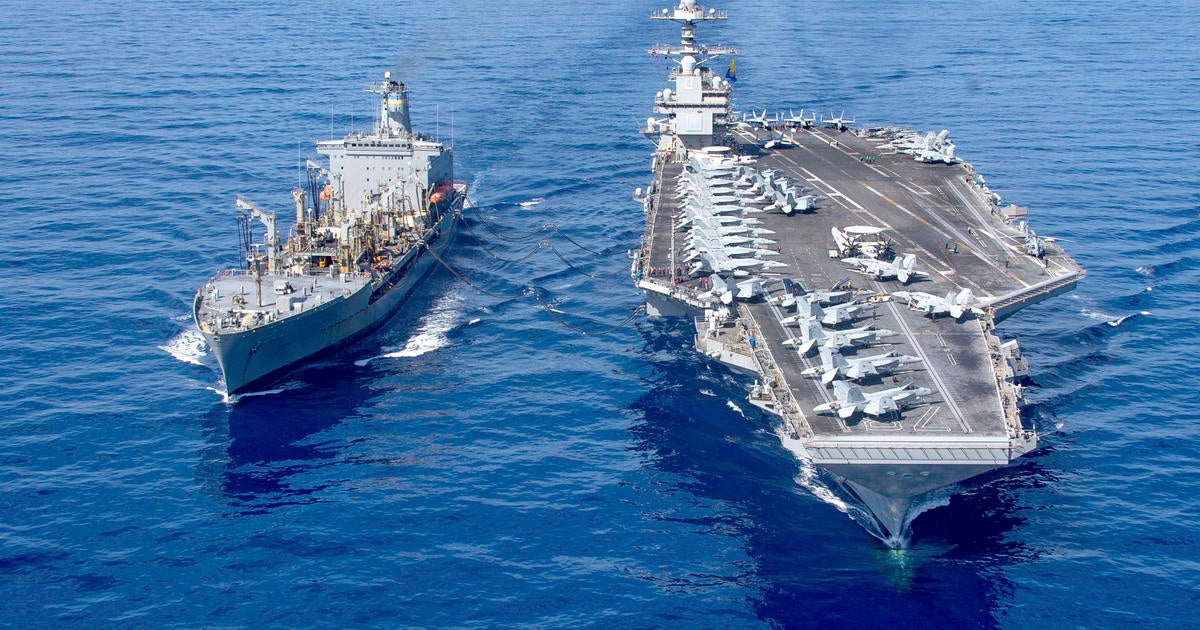
As the White House signals that U.S. strikes could come “within days,” Iranian crews are reportedly pouring new layers of reinforced concrete over sensitive military and nuclear-linked infrastructure. Al Jazeera reports a “concrete shield” being built at a military site amid acute tensions, a physical manifestation of Tehran’s expectation that threats are not merely rhetorical. The Independent, covering the day-to-day escalation cycle, says the U.S. has surged warships, tankers and submarines into the region, citing CBS reporting that assets could be ready for strikes as soon as Saturday.
This is the mechanics of escalation in 2026: force posture meets target hardening. Washington’s side is visible on maps. The New York Times’ force-tracking graphics show the U.S. building up around Iran—naval and air assets positioned to compress decision time and expand the menu of options. Tehran’s side is less photogenic, but more durable: hardening facilities, dispersing capabilities, and raising the expected cost per destroyed centrifuge hall.
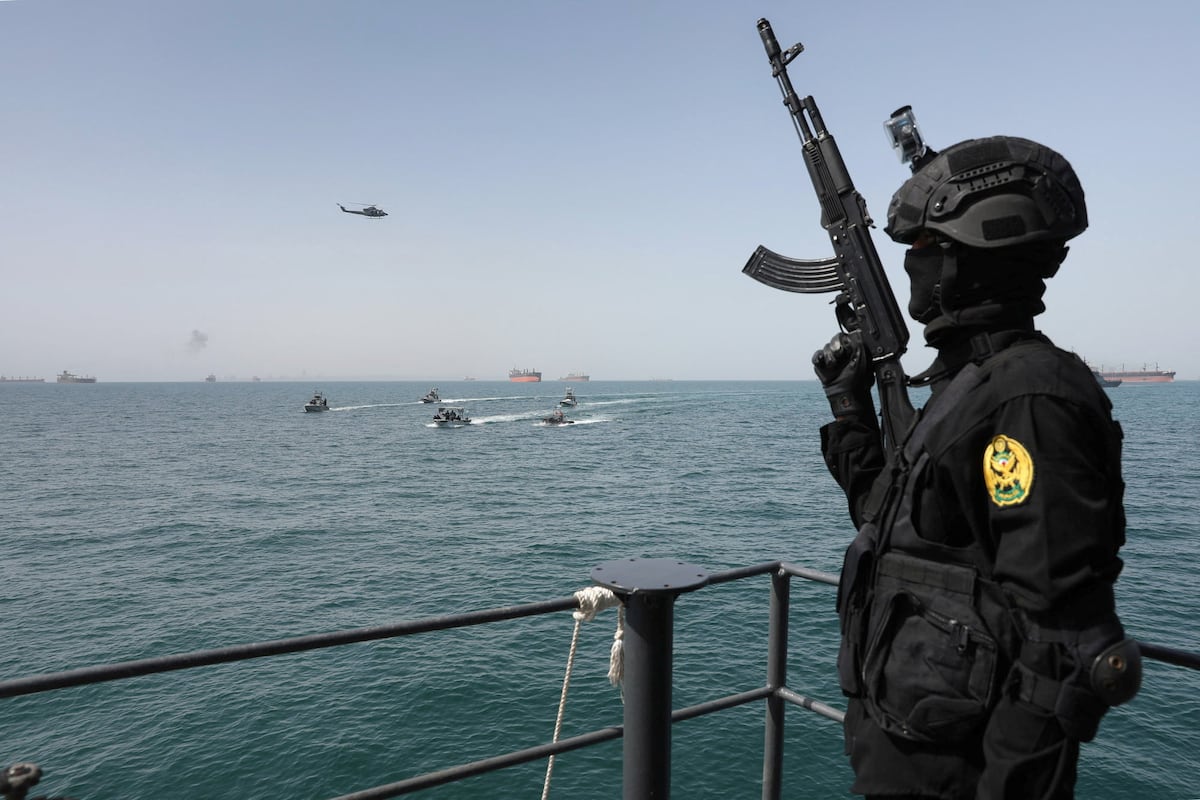
The propaganda layer sits on top of both. U.S. officials can frame deployments as “deterrence” and “readiness,” while Iran can stage rocket launches and naval drills to claim symmetry. The Independent notes Iran preparing a show of strength with launches across the south; it also reports Iranian threats of retaliation so severe the U.S. “cannot get back up.” Meanwhile, Russia—scheduled for joint naval drills with Iran in the Sea of Oman—urged “restraint,” per the same report, carefully separating “planned exercises” from “current tensions,” as if the calendar makes missiles less real.
The question is less about who is virtuous and more about who is exposed. The downside risk of miscalculation—shipping disruption, oil price spikes, retaliatory attacks, and the long-tail cost of another open-ended security commitment—lands on taxpayers, consumers, and civilians who never got a vote. The upside—domestic political signaling, alliance management, and the institutional prestige of “doing something”—is captured by executives, bureaucracies, and defense contractors.
And Congress? Once again, it is treated as a decorative object: consulted after the fact, if at all, while the executive branch runs a high-stakes options book with public money.
Concrete is what Iran pours when it doesn’t believe in process. Carrier groups are what Washington moves when it wants leverage without declaring war. Between them sits a American product: risk socialized, authority centralized, accountability deferred.