
Bill Gates withdraws from Modi AI summit after Epstein-file allegations
Reputational pressure replaces due process, philanthropy learns geopolitics has receipts
Images
 Epstein’s shadow: Why Bill Gates pulled out of Modi’s AI summit
aljazeera.com
Epstein’s shadow: Why Bill Gates pulled out of Modi’s AI summit
aljazeera.com
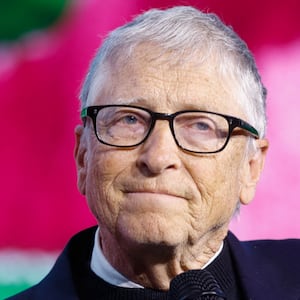 Bill Gates and Jeffrey Epstein
thedailybeast.com
Bill Gates and Jeffrey Epstein
thedailybeast.com
 Fresh emails released by the Justice Department contain sordid alleged details of Gates' relationship with Epstein. Neil Rasmus/Patrick McMullan
Neil Rasmus/Patrick McMullan
Fresh emails released by the Justice Department contain sordid alleged details of Gates' relationship with Epstein. Neil Rasmus/Patrick McMullan
Neil Rasmus/Patrick McMullan
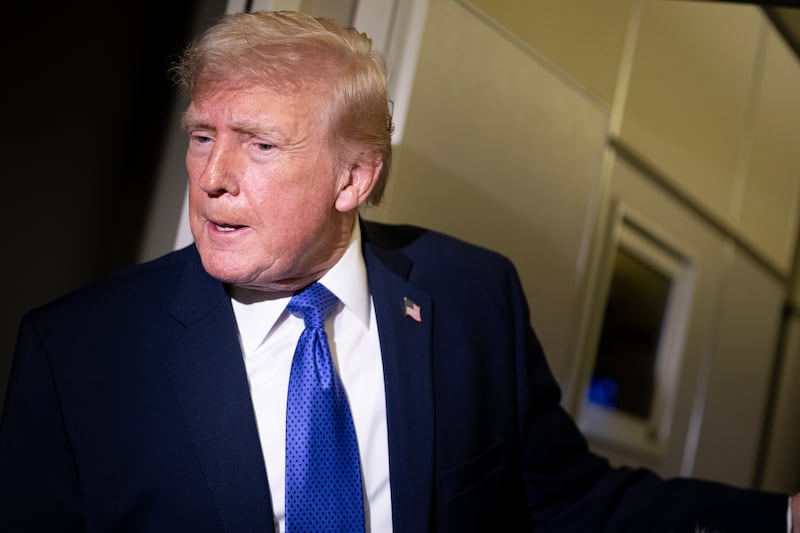 Trump only released the files after a concerted campaign of pressure amid scrutiny of his own historic relationship with the late pedophile. Nathan Howard/Getty Images
Nathan Howard/Getty Images
Trump only released the files after a concerted campaign of pressure amid scrutiny of his own historic relationship with the late pedophile. Nathan Howard/Getty Images
Nathan Howard/Getty Images
 American philanthropist and Microsoft co-founder Bill Gates
thedailybeast.com
American philanthropist and Microsoft co-founder Bill Gates
thedailybeast.com
Bill Gates has abruptly pulled out of a major AI summit hosted by Indian Prime Minister Narendra Modi after a new tranche of U.S. Department of Justice Epstein-related documents revived scrutiny of his ties to Jeffrey Epstein — a reminder that “private” kompromat now functions as a public geopolitical instrument.
The Daily Beast reports that the Gates Foundation announced hours before his scheduled keynote that Gates would not speak, citing a desire to keep the event focused on “key priorities.” Al Jazeera frames the withdrawal as fallout from “Epstein’s shadow,” describing how the latest disclosures have turned a philanthropic tech-diplomacy appearance into a reputational liability.
According to The Daily Beast, draft emails in the DOJ release — described as seemingly written by Epstein to himself after his 2008 conviction — include claims that Epstein facilitated “sex with Russian girls” for Gates, and even references to an alleged sexually transmitted disease and a plan to administer antibiotics to Gates’ then-wife, Melinda French Gates, without her knowledge. Gates has denied the allegations and said the email was never sent, telling Australia’s 9 News that the message was “false,” The Daily Beast notes.
Whether Epstein’s self-addressed drafts are true is not the only question; it is how quickly they become operational. A state-run prestige event designed to signal India’s place in global AI governance can be destabilized by a document dump from Washington, amplified by media, and resolved by a private actor’s strategic retreat — all without any court adjudicating the underlying claims.
Gates has long argued his meetings with Epstein were aimed at philanthropic fundraising and that he regrets spending time with him. The Daily Beast quotes him describing the outreach as a “dead end.” That explanation may satisfy a foundation board; it is less convincing as a model of governance. When billionaire diplomacy is conducted through dinners with convicted traffickers because they “know rich people,” the line between philanthropy and influence-peddling is not blurred — it is erased.
Al Jazeera’s framing underscores how reputational tools increasingly substitute for legal tools. No indictment is required to neutralize a speaker; no finding of fact is required to disrupt a summit. The sanction is social and institutional: invitations evaporate, access narrows, and the “global health” narrative is forced to compete with the Epstein narrative.
For governments, this is convenient. Outsource legitimacy to celebrity philanthropists when it helps; drop them when the headlines turn. For philanthropists, it is the price of playing quasi-state roles without the accountability that normally attaches to public office. And for everyone else, it is a preview of a governance style that will expand with AI: informal power exercised through platforms, events, and reputational enforcement — where the punishment arrives long before the trial, if any trial ever comes.
The modern West’s most celebrated private actors increasingly function like public officials — but with fewer constraints, until suddenly they have all the constraints and none of the protections.