
US prosecutions for threats against public officials rise
Investigators cite online intimidation surge, state expands discretion over political speech
Images
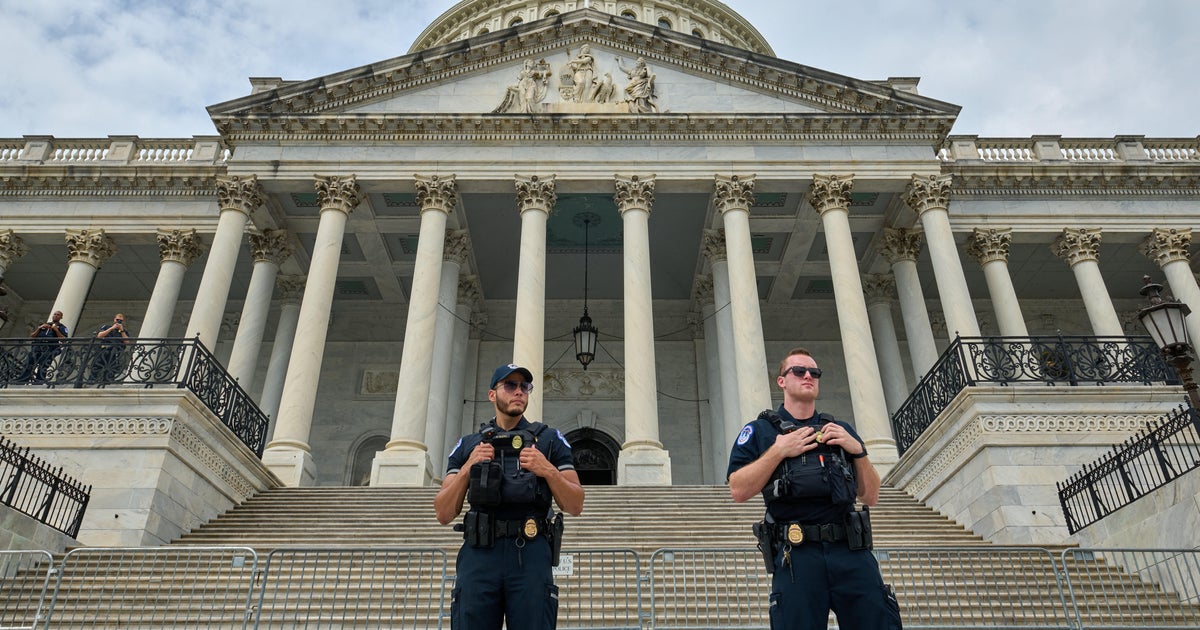 The price of public life: Judges and other officials doxed, swatted, threatened with death
cbsnews.com
The price of public life: Judges and other officials doxed, swatted, threatened with death
cbsnews.com
Threats against public officials are not new, but U.S. prosecutors are treating them like a growth industry.
CBS News reports a surge in threats directed at government officials that is now “fueling a rise in prosecutions.” The story describes how cases that once might have been dismissed as crank calls, vulgar emails, or performative online rage are increasingly being packaged as federal crimes—often under statutes that were designed for more concrete intimidation.
The predictable part is the internet: more people can reach more targets, more easily, and with less social friction. The less predictable part is institutional incentives. Agencies that can’t prevent political polarization can at least measure, brief, and prosecute it. A threatening message is quantifiable; “restoring trust” is not.
According to CBS, prosecutors and investigators point to the volume of menacing communications and the operational burden on security details. That burden is real. But the legal and political consequences of expanding “threat” enforcement are also real, and they land on speech—especially the kind of speech that is angry, hyperbolic, or ill-considered.
The key civil-liberties problem is definitional creep. “True threats” are not protected speech under U.S. law, but the boundary between a credible threat and political venting is notoriously fuzzy, and fuzziness is a bureaucrat’s natural habitat. The state has every incentive to interpret ambiguous language as dangerous when the target is the state.
Government officials become a protected class by function rather than by statute. The public is told this is about safety, but it also functions as a reputational shield and a deterrent against harsh political expression. When the state is both the complainant and the enforcer, it is difficult to avoid the impression that the system is being tuned to protect its own operators.
CBS notes that online posts can trigger investigations and prosecutions. That dovetails neatly with the parallel system built by platforms: automated moderation, account suspensions, and “safety” policies that often treat context as optional. The public ends up facing a two-layer enforcement stack—corporate content policing on the front end, criminal law on the back.
None of this excuses genuine intimidation, stalking, or incitement. But a legal regime that increasingly treats political hostility as a prosecutable security problem invites the same outcome every expansion of state discretion does: selective enforcement. The people with the worst speech habits—often the least powerful—are easiest to punish. The people with actual power get more protection and better lawyers.
In a country that still claims the First Amendment as a cultural asset, the new message seems to be: criticize the government all you want—just make sure it sounds like a grant application.