
FCC chair Brendan Carr signals equal-time enforcement over Colbert programming dispute
Broadcast licensing keeps state leverage over legacy media, scarcity-era speech regulation survives on the shelf
Images
 newsweek.com
 Donald Trump Reacts to Supreme Court’s Decision To Strike Down Tariffs
newsweek.com
Donald Trump Reacts to Supreme Court’s Decision To Strike Down Tariffs
newsweek.com
 Is Trump’s Tariff Era Over?
newsweek.com
Is Trump’s Tariff Era Over?
newsweek.com
 Uncommon Knowledge: Chinamaxxing a Century of Humiliation
newsweek.com
Uncommon Knowledge: Chinamaxxing a Century of Humiliation
newsweek.com
 Karoline Leavitt Cuts Off Trump’s Comments on Nancy Guthrie Search
newsweek.com
Karoline Leavitt Cuts Off Trump’s Comments on Nancy Guthrie Search
newsweek.com
The Federal Communications Commission is reminding Americans that broadcast-era speech regulation never died—it just waits for a partisan use case.
The New York Times reports that Stephen Colbert joked about Robert F. Kennedy Jr.’s workout with Kid Rock, but the more consequential subplot is offstage: Colbert said CBS attorneys advised against airing an interview with Democratic Texas Senate candidate James Talarico, citing risk under the FCC’s “equal time” rule. CBS denied it barred the interview outright, saying the show received legal guidance.
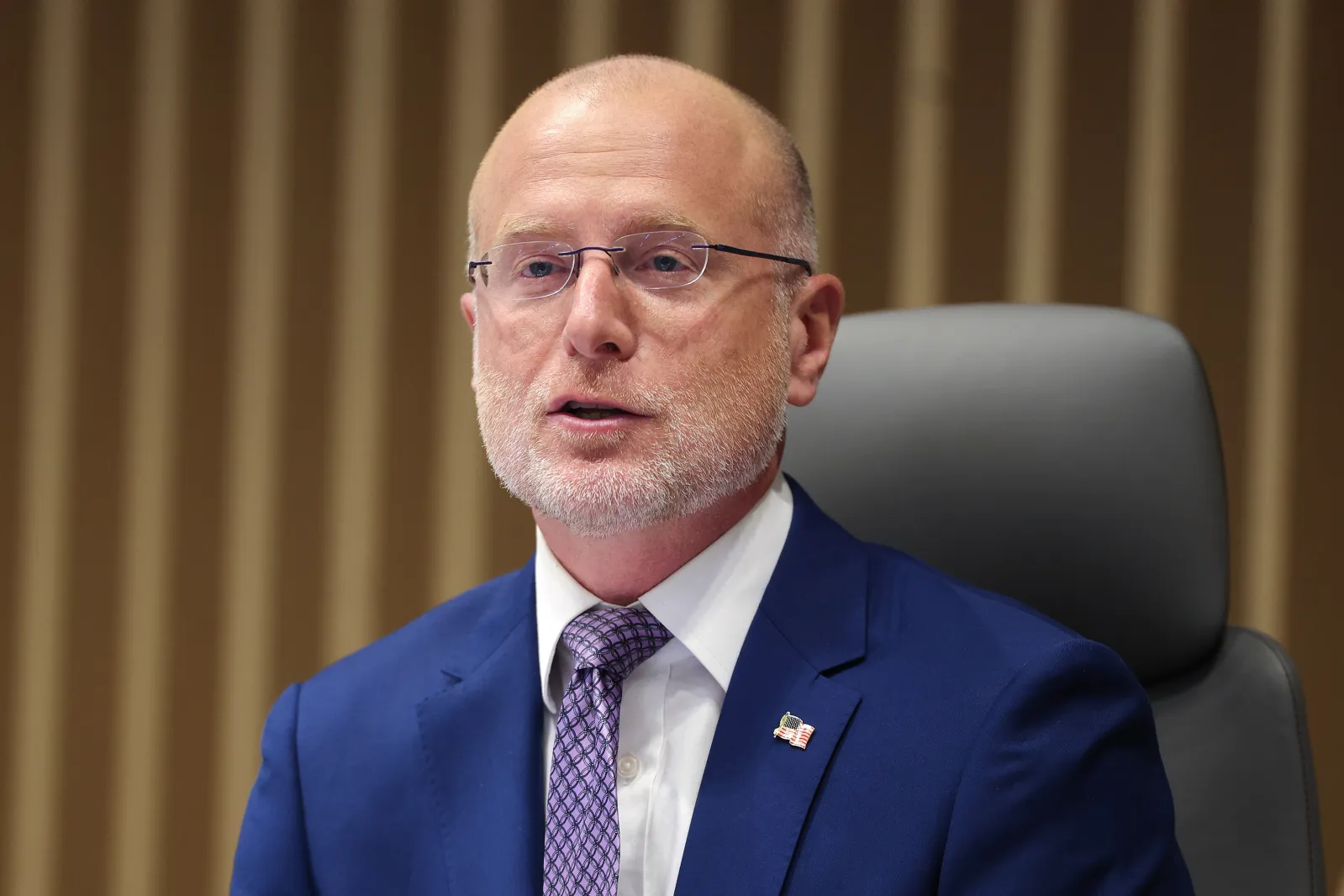
Newsweek adds the part regulators rarely say out loud. FCC chair Brendan Carr told Fox News he would “enforce the law,” describing the rule as preventing legacy media from “picking winners and losers in elections.” In theory, that’s neutrality. It is leverage: a licensing regime that allows the state to threaten broadcasters with compliance pain whenever content becomes politically inconvenient.
The equal-time rule applies to broadcast licensees—scarcity-era regulation justified by the idea that the airwaves are a public resource. That premise has been technologically obsolete for decades. Yet the licensing structure remains, and with it the ability to turn speech into a regulated utility.
The chilling effect is the real product. A network doesn’t need to be fined or lose a license to change behavior; it only needs to believe that the regulator might decide to make an example. Lawyers then become internal censors, not because they love censorship, but because risk management is their job.
And the incentives align neatly. Politicians can posture as defenders of fairness while selectively invoking rules when it benefits them. Regulators can claim they are merely applying neutral law. Broadcasters, already consolidated and politically connected, can comply and keep their privileged market position—while smaller or non-broadcast competitors face different, often harsher, regulatory tools.
Colbert’s complaint is almost beside the point. The FCC’s posture is the story: the state still has a thumb on the scale over legacy media, not through overt censorship but through the quiet power to grant, renew, and condition permission to operate.
If the airwaves are truly scarce, then the government must decide who speaks. If they aren’t—and they aren’t—then the licensing regime is just a relic that periodically reasserts itself as a weapon. Carr’s warning is that the weapon is still loaded.